
Dropshipping might be the most misunderstood business model on the internet. Depending on who you ask, it’s either a path to easy passive income or a complete scam. The truth, as usual, is less dramatic: it’s a legitimate fulfillment method with real advantages and real drawbacks, and whether it works for you depends on how you run it.
Here’s what dropshipping actually is, what it really costs, and an honest look at whether it’s worth pursuing in 2026.
What Is Dropshipping?
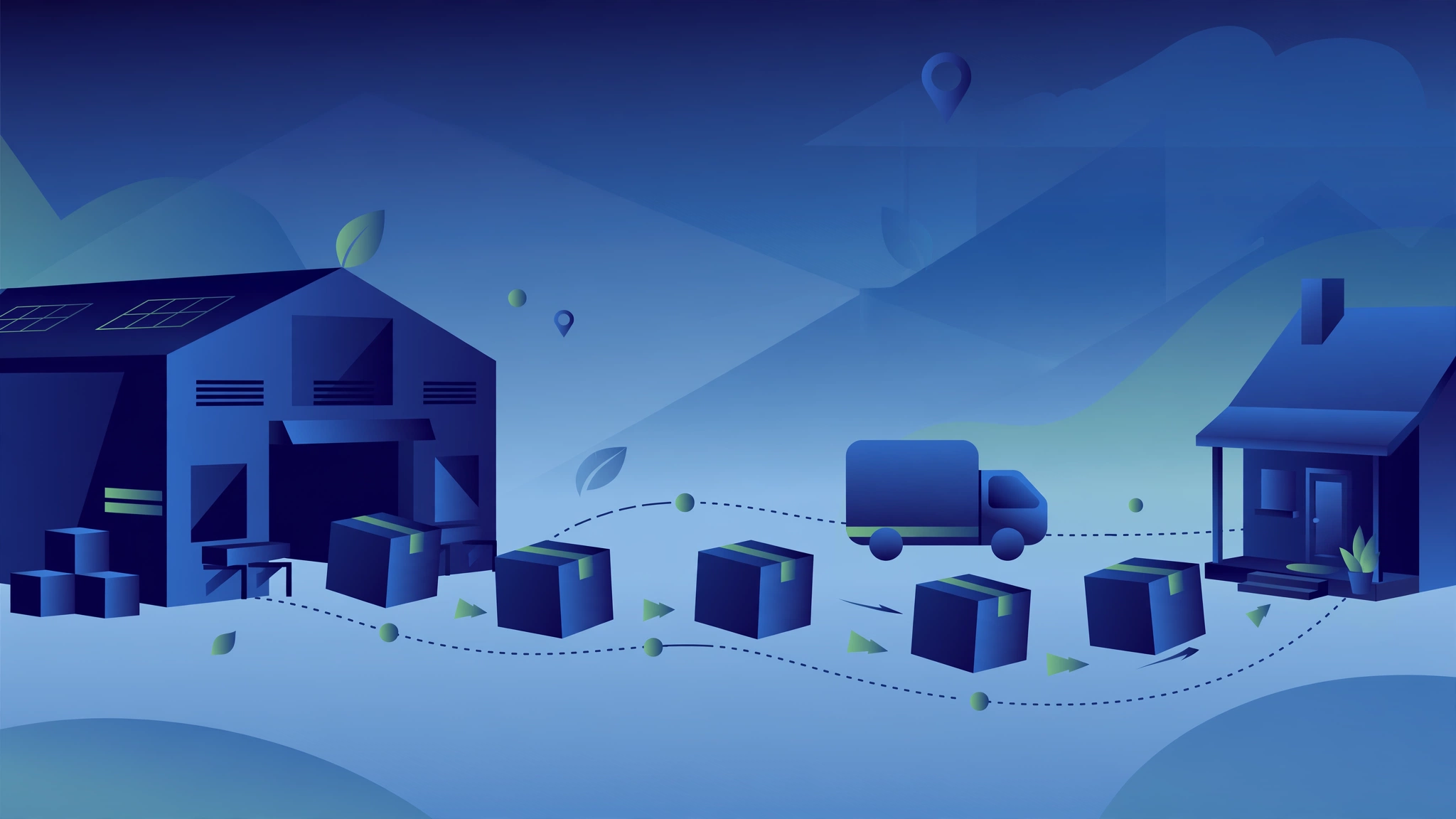
Dropshipping is a retail fulfillment model where you sell products without holding any inventory. Here’s the flow:
- A customer places an order on your online store.
- You forward the order details to a supplier (a manufacturer, wholesaler, or dropshipping platform).
- The supplier ships the product directly to your customer.
- You keep the difference between what the customer paid you and what the supplier charged you.
You never touch the product. Your job is the storefront, the marketing, the customer service, and choosing which products to offer. The supplier handles inventory, packing, and shipping.
That’s it. There’s no magic and no loophole — it’s a way of structuring a retail business so you don’t need to buy inventory upfront.
How Dropshipping Works in Practice
Let me walk through a realistic example:
You build a simple store selling ergonomic desk accessories. You find a supplier offering a laptop stand for $12 including shipping. You list it on your store for $29.99.
A customer orders it. You pay the supplier $12, they ship it directly to the customer with your branding on the packing slip (if you’ve arranged that), and you keep the $17.99 difference — minus your transaction fees, ad costs, and other expenses.
In 2026, most beginners run this through one of two setups:
- A hosted store (like Shopify) connected to a dropshipping app that syncs products and automates order forwarding.
- Supplier platforms that handle the product catalog, ordering, and sometimes even branding and faster shipping options.
The day-to-day work of a dropshipper is not “passive.” It looks like this: researching products, testing ads or content, answering customer emails (“where is my order?”), handling returns, optimizing product pages, and managing supplier relationships. It’s a real business with real operational work — the inventory part is just outsourced.
The Real Costs of Dropshipping
One of the biggest selling points of dropshipping is the low startup cost, and that’s genuinely true compared to other models. But “low cost” doesn’t mean “no cost.” Here’s what you’ll actually spend:
Startup costs (typical beginner range):
- Ecommerce platform subscription: Roughly $30–$40/month for a basic hosted plan. This is your store’s rent.
- Domain name: Around $10–$15/year. Small, but don’t skip it — a real domain builds trust.
- Sample orders: $50–$200 to order your own products and check quality. This step is optional but strongly recommended. Selling products you’ve never seen is how quality disasters happen.
- Apps and tools: Many dropshipping apps have free tiers, but useful ones (reviews, upsells, email marketing) can add $20–$60/month as you grow. Start free and add only what earns its keep.
Ongoing costs:
- Product cost per order: What you pay the supplier for each item plus shipping. This is your biggest variable cost.
- Transaction fees: Payment processors typically take around 2–3% plus a fixed fee per transaction.
- Advertising: This is the big one. Dropshipping stores live or die on their ability to acquire customers profitably. Beginners commonly test with $5–$20/day on ads, and scaling winners costs more. There is no version of dropshipping where customer acquisition is free forever.
- Returns and refunds: You’ll eat the cost of some returns. Budget for it.
- Your time: Product research, customer service, store optimization. This is the cost nobody puts in the spreadsheet, and it’s the largest one.
A realistic lean start: somewhere in the range of $100–$300 to get going, plus an ongoing ad testing budget. Anyone telling you it takes $0 is selling you something.
The Honest Pros
Low barrier to entry. No inventory, no warehouse, no packing boxes in your garage. You can test product ideas with very little capital at risk.
Easy to test and pivot. If a product doesn’t sell, you remove it from your store. You haven’t bought 500 units of something nobody wants. This makes dropshipping an excellent learning environment for ecommerce fundamentals: product research, copywriting, advertising, customer psychology.
Location independence. Since fulfillment is handled by suppliers, you can run the business from anywhere with an internet connection.
Scalable operations. When orders spike, you don’t need to hire packers or rent space. The supplier absorbs the volume — though your customer service workload does grow.
The Honest Cons
Thin margins. Because you’re not buying in bulk, your per-unit costs are higher than a traditional retailer’s. After product cost, fees, and ads, many dropshippers operate on modest margins per order. Volume and smart product selection are what make the math work.
Limited quality control. You don’t see the product before it ships. If the supplier sends something cheap, late, or wrong, the customer blames you — and they’re right to. This is the single biggest operational risk in dropshipping.
Shipping times and consistency. Depending on your suppliers, delivery can be slow or inconsistent. In 2026, customers expect fast shipping, and long waits generate support tickets and refund requests. Choosing suppliers with reliable fulfillment (including domestic options where it makes sense) matters enormously.
Intense competition. Low barriers mean crowded markets. If you’re selling the exact same product with the exact same photos as fifty other stores, the only lever is price — and that’s a losing game.
Supplier dependence. Your business depends on third parties. Suppliers raise prices, run out of stock, or disappear. Having backup suppliers for your best products isn’t optional.
Customer service load. “Where is my order?” emails are the background noise of dropshipping. Without systems — tracking pages, proactive shipping updates, clear policies — support can eat your week.
Is Dropshipping Worth It in 2026?
Here’s the honest answer: dropshipping is worth it as a way to learn ecommerce and test products with limited capital. It is not worth it as a get-rich-quick scheme, because it never was.
The model still works for people who treat it as a real business:
- They pick a focused niche instead of a random general store.
- They order samples and only sell products they’d be comfortable putting their name on.
- They differentiate with branding, better product pages, bundles, and customer service — not just the same product at a lower price.
- They use suppliers with reliable shipping and quality, even if it costs a bit more.
- They understand their numbers: cost per acquisition, average order value, margin per order.
The model fails for people who expect the “passive income” version: upload fifty random products, run no real marketing, and wait. That version has never worked, and the bar is higher now because customers are savvier and ad costs are real.
Think of dropshipping as training wheels for ecommerce, not the destination. Many successful store owners started with dropshipping, learned what sells, then moved to holding inventory or private-labeling their winners for better margins and control. That’s a perfectly respectable path. If you would rather sell your own designs than resell existing products, read our guide on how to start print on demand.
Common Dropshipping Mistakes Beginners Make
Knowing the model isn’t enough — most beginners fail in predictable ways. Watch for these:
Selling products you’ve never touched. Without samples, you can’t verify quality, photograph accurately, or write honest descriptions. One bad batch from a supplier becomes a wave of refund requests and bad reviews attached to your store name.
The general store trap. A store selling phone cases, pet toys, kitchen gadgets, and LED lights to everyone converts poorly because it speaks to no one. A focused niche lets you write better copy, target ads precisely, and build repeat customers.
Ignoring shipping times in marketing. If delivery takes two to three weeks, say so clearly on the product page and in the order confirmation email. Surprised customers file chargebacks; informed customers wait patiently. Under-promise and over-deliver on every timeline.
No backup supplier. Your best product’s supplier raises prices or runs out of stock, and suddenly your bestselling page is dead. For every product that matters, identify at least one alternative source before you need it. For a detailed look at one long-running option, see our SaleHoo review, where we verified what its supplier directory actually includes.
Treating customer service as optional. In dropshipping, service is one of your few differentiators. Slow, defensive, or missing responses turn solvable problems into public one-star reviews. Answer fast, refund generously when you’re at fault, and follow up after resolution.
How to Start Dropshipping the Smart Way
If you decide to try it, here’s a disciplined approach:
- Pick a niche, not a product. A store focused on one audience (say, home coffee brewers or pet owners with anxious dogs) converts better and markets easier than a random gadget store.
- Research products properly. Look for items that solve a clear problem, aren't easily found in local stores, have good margins after all costs, and are light and durable enough to ship reliably.
- Order samples. Check quality, packaging, and shipping time yourself before you sell a single unit.
- Build a real store. Professional product pages, honest descriptions, clear shipping and return policies. Your store should look like a brand, not a catalog of supplier listings.
- Start marketing with a test budget. Pick one channel, set a daily limit you're comfortable losing while you learn, and treat early campaigns as paid education.
- Obsess over customer experience. Fast responses, proactive tracking updates, and hassle-free resolutions to problems. In a model where anyone can sell the same product, service is your moat.
- Track everything. Know your cost to acquire a customer, your average order value, and your profit per order. Kill losers quickly and put effort behind winners.
Key Takeaways
- What is dropshipping? A fulfillment model where suppliers ship products directly to your customers — you handle the store, marketing, and service without holding inventory.
- Real costs: A lean start runs roughly $100–$300 plus an ongoing ad testing budget. It’s cheap to start, not free to run.
- Pros: Low startup cost, easy testing, location flexibility, scalable fulfillment.
- Cons: Thin margins, limited quality control, shipping challenges, heavy competition, supplier dependence.
- Worth it? Yes — as a low-cost way to learn ecommerce and validate products, if you run it like a real business. No — if you’re expecting passive income without real work.
- The smart play: Niche down, sample everything, brand properly, choose reliable suppliers, know your numbers, and consider graduating your winners to stocked inventory over time.
Dropshipping isn’t a shortcut. It’s a starting point. Treat it with the same seriousness you’d give any business, and it can teach you the skills — product selection, marketing, customer psychology — that transfer to every ecommerce model you’ll ever run.