
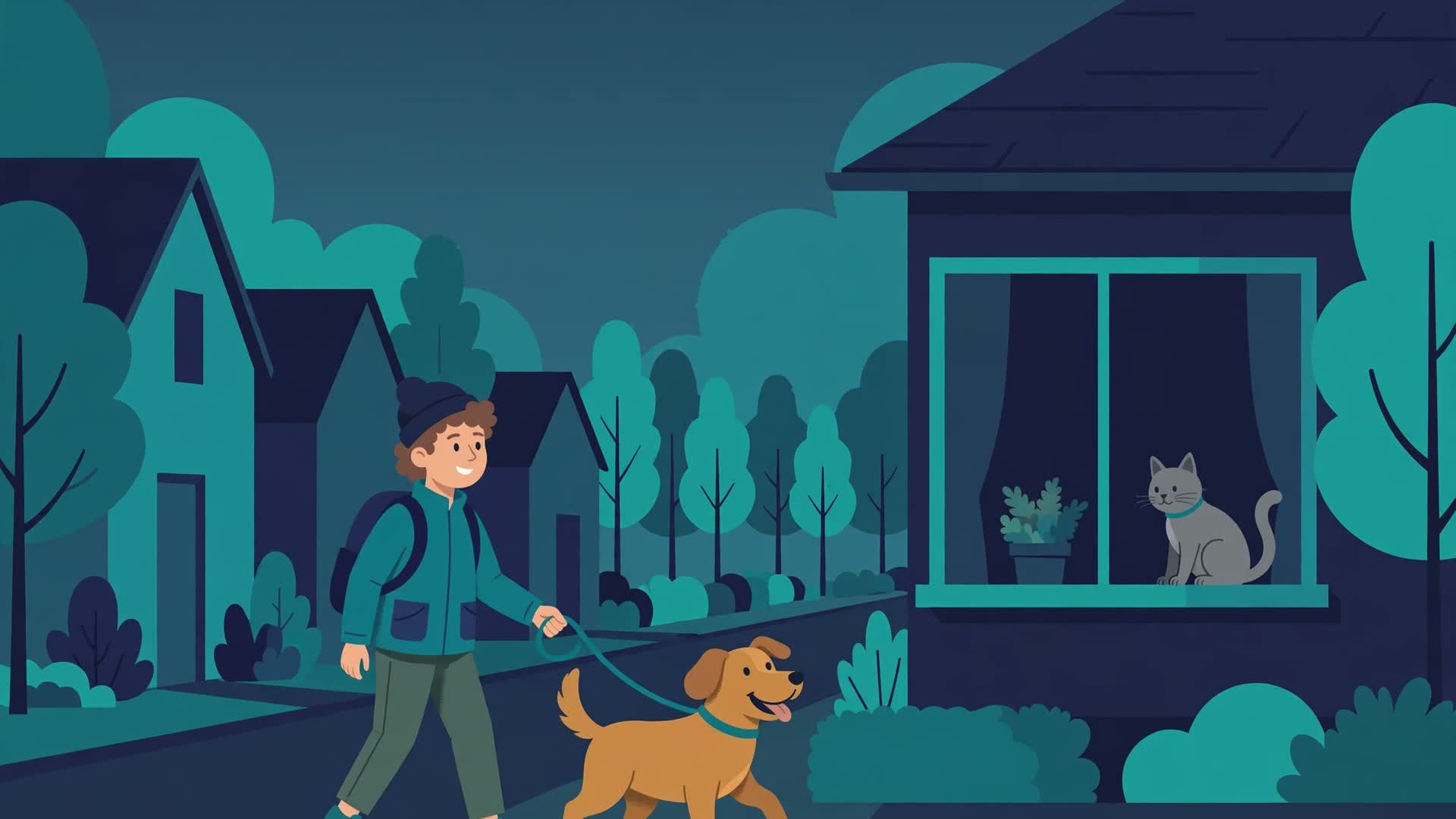
People leave town. Dogs still need walks at noon. That simple mismatch is why pet sitting and dog walking keep working as a side hustle while trendier ideas fade. Owners are not buying a clever service. They are buying peace of mind: someone reliable will show up, follow instructions, and treat their animal well while they cannot be there.
So can a beginner learn how to start pet sitting and dog walking in 2026 and earn real money at it? Yes, if you like animals, you are dependable, and you understand that trust is the whole business. This guide covers what the work actually involves, which services beginners should offer first, the real costs, how pricing works, the safety and liability issues you cannot ignore, how first clients actually happen, and who should skip this one.
What pet sitting and dog walking actually involve
Pet sitting and dog walking are related, but they are not the same job.
Dog walking is usually a recurring, daytime service. You visit a home, leash the dog, walk an agreed route for an agreed time, handle water and cleanup, lock up, and send the owner a short update. Many walks happen on weekdays while owners are at work, and the same dogs often need you week after week.
Pet sitting covers care while an owner is away. That can mean drop-in visits once or twice a day, overnight stays in the owner’s home, or boarding a pet in your home where local rules allow it. Visits include feeding, fresh water, litter or yard cleanup, play, medication only if you are trained and the owner has shown you exactly how, and a check that the home is secure.
Both jobs look simple from the outside. The real work is consistency. You show up in bad weather. You notice a dog is limping, a cat has not eaten, or a water bowl was empty sooner than expected. Owners rebook the person who notices details and reports them plainly.
This work sits in our list of 25 side hustle ideas for beginners because the startup cost is low and demand is local and repeatable. It is also physical, time-bound work. You cannot do a noon walk from your couch, and you cannot stack ten clients into the same hour.
The services beginners should offer first
Start narrower than you think you need to. A small, clear menu is easier for owners to trust and easier for you to deliver well.
Weekday dog walks. This is the steadiest starting point. Aim for clients near each other so you are paid for walking, not driving. A tight route in one or two neighborhoods beats scattered clients across town.
Drop-in pet sitting visits. Good for cats and for dogs who do not need an overnight stay. Visits are usually morning and evening, which can fit around a day job if your schedule is predictable.
Overnight stays in the owner’s home. Higher pay per job, but a bigger responsibility. Take these only after you have built trust with a client through walks or drop-ins. You are caring for the pet and the house at the same time.
Boarding in your home. Leave this for later, if you offer it at all. It raises the hardest questions: local rules, landlord or homeowner association permission, your own pets and family, damage, and what happens if two guest animals do not get along. Many beginners do better by keeping care in the owner’s home, where the animal is calmer and the liability picture is simpler.
A useful rule: offer what you can repeat without dread. If early mornings wreck you, do not sell early morning visits. If large, strong dogs are hard for you to control safely, say so and take small and medium dogs only. Clear limits protect animals, owners, and you.
How to start pet sitting and dog walking: a realistic path
Here is a plain sequence that works better than printing business cards and waiting.
- Get basic experience you can point to. If you have cared for your own animals or for family and neighbors, write down what you actually did: species, ages, medication, nervous animals, senior pets. If your experience is thin, volunteer at a local shelter or rescue if they accept volunteers. Real handling time teaches you more than videos, and it gives you honest experience to describe.
- Learn the safety basics before your first paid job. Take a pet first aid course if one is available locally or online from a recognized provider. Learn how to approach an unfamiliar dog, how to spot stress signals, how to break up tension on a walk without putting your hand between two animals, and what counts as an emergency that needs a vet now, not a text to the owner later. You do not need a long credential list. You do need to know what you would do when something goes wrong.
- Decide your service area and your hours. Pick a radius you can reach reliably, even in traffic or bad weather. Decide which days and time windows you will work, and protect them. Late bookings and vague availability create the cancellations and rushed visits that damage a new reputation fast.
- Set up the business basics. Check what your city and state require for a small service business, and keep records from day one: income, mileage, supplies, and fees. In the US, this income is taxable, and self-employment tax usually applies. If you use a pet care platform, read its terms carefully, including how it handles cancellations, damage, and emergencies. If you work independently, use a simple written agreement that covers keys, alarm codes, feeding instructions, vet information, emergency contacts, and what you are authorized to do if a pet needs urgent care.
- Do a meet and greet before you accept a client. Meet the owner and the animal in the home where care will happen. Watch how the animal reacts to you. Ask about bites, escapes, resource guarding, fears, triggers on walks, and any health issue, even a minor one. Walk through the routine yourself while the owner watches. If the fit feels wrong, decline politely. A bad-fit client costs more than an empty slot.
- Start with a few clients and over-deliver on communication. Send a photo and a two or three line update after each walk or visit: what the pet did, anything you noticed, and confirmation that water, food, and locks are handled. This is not extra polish. For most owners, the update is the product. It is what turns a trial booking into a repeat client.
- Ask for referrals only after you have earned them. After a few good jobs, tell happy clients exactly who you want next: another dog owner on their street, a coworker with a cat who travels. Specific requests get shared. A vague request to spread the word usually does not.
If you are fitting this around a job, our guide to starting a side hustle while working full time covers the scheduling and energy trade-offs honestly. Pet care punishes an overloaded calendar faster than most hustles, because a missed visit is not a delayed file. It is an animal alone.
The real cost of starting
Cash costs can stay low, but they are not zero, and the hidden costs matter.
Supplies. Sturdy leashes, a backup slip lead, waste bags, treats only if the owner approves them, cleaning basics, and weather gear you can actually work in. Buy simple and replace what wears out.
Transport. Most beginners drive between homes. Fuel, parking, and wear on your car eat into short visits fast. Track mileage from the start. A cheap walk that requires a long drive each way is unpaid driving with a walk in the middle.
Insurance and bonding. Look into pet sitter insurance before you take clients into other people’s homes with their keys. Policies vary, and a platform’s coverage is not the same as your own policy. Read what is covered and what is excluded, especially for boarding in your home, lost keys, and damage.
Platform fees and payment costs. Marketplaces bring built-in demand, and they take a cut of each booking. Payment processors take a small cut too. Price with those fees in mind, not after them.
Your time. Travel, messages, meet and greets, key pickups, and updates are work even when no one pays for them separately. Build them into your prices.
A realistic cash start is often a few hundred dollars or less if you already have transport and basic gear, plus insurance if you buy it right away, which you should seriously consider. The bigger cost is committing specific hours, including weekends and holidays, when demand is highest.
How pricing works, and what beginners get wrong
Owners usually pay per walk, per visit, or per night. Research what sitters in your specific area charge before you set prices. Rates in a dense city, a suburb, and a small town can differ a lot, and national averages hide that gap.
Beginners make three common pricing mistakes.
First, they copy the lowest price they can find. Low prices attract owners who shop only on price, and those clients are the quickest to cancel and the slowest to refer. You are selling trust and reliability. Price like it.
Second, they forget travel and time between jobs. Two walks that look back to back on a calendar can sit twenty minutes apart by car. Leave buffers, group clients by neighborhood, and charge extra for distant or one-off jobs if you accept them at all.
Third, they never raise prices. Early clients often lock in your learning-period rate forever if you let them. Set a review point, tell clients in advance that rates are reviewed once a year, and raise new-client prices first as demand grows.
Holiday and peak periods deserve clear rules too. Demand spikes around school breaks and major holidays, and your time is worth more then. Publish your holiday rate and your cancellation terms before the season, not during a negotiation with a regular client.
How first clients actually happen
Your first clients rarely come from a polished website. They come from proximity and proof: neighbors who have seen you walk your own dog calmly for years, a coworker who travels and hates asking family again, or a profile on a pet care platform, where reviews do the persuading after your first jobs.
Referrals then do the heavy lifting, the same way they do for other trust-based services. Our bookkeeper guide makes a similar point in a different field: recurring clients who trust you with something sensitive are worth more than a constant stream of strangers. For pet care, one street with four happy dog owners can fill your weekday route.
Do not fake reviews, do not ask friends to pose as clients, and do not promise experience you do not have. Owners talk to each other. In a local service, your reputation is your marketing, and it travels in both directions.
What beginners actually earn
There is no honest single figure, because your schedule sets the ceiling. Walking and sitting are paid by the visit, so your income is limited by how many visits you can do well in a day and how many days you work.
The shape is predictable, though. Early income is small and patchy while you fill a route. It improves when walks repeat weekly, when sitting clients rebook for every trip, and when your clients cluster close together so more of your hour is paid work. Overnights and holiday periods pay better per job, but they take your evenings and your holidays.
Treat anyone who quotes you a monthly income without asking about your city, your hours, and your client count as someone selling you something. Run your own numbers instead: your rate per visit, minus travel and fees, divided by the full time each job takes, including messages and driving. That hourly truth, not the headline rate, tells you whether the work is worth it.
Safety, liability, and the bad days
This is the section beginners want to skim. Do not.
Animals get sick. Dogs slip collars. Cats hide and refuse food. Pipes leak while owners are on a plane. Your job on a bad day is to act fast, follow the written instructions, contact the owner and the vet in the order you agreed, and document what happened and when.
A few habits prevent most disasters. Never walk a dog on equipment you have not checked. Never leave a pet in a hot car, even briefly. Keep keys labeled in a way that does not identify the address if they are lost. Confirm doors, gates, and crates twice. Keep vet details and emergency contacts in your phone and on paper.
Also know your limits with medication. If a pet needs injections, complex medication, or post-surgery care and you have not been trained and shown in person, decline or refer the owner elsewhere. Honesty here is how you avoid harming an animal and destroying the business you are building.
Who should skip this
Skip pet sitting and dog walking if you like animals in theory but not the routine care: the early alarms, the rain, the litter box, the cleanup after a sick dog. The novelty fades in the first month. The routine is the job.
Skip it if your schedule is unpredictable. Owners book you because their schedule is fixed. If your job regularly keeps you late without warning, weekday walks will clash, and clients will feel it before you admit it.
Skip it if you cannot be trusted with keys, alarms, and private homes, or if that responsibility stresses you to the point of dread. Clients hand you access to their house and care of a family member. If that weight feels wrong, choose a different hustle.
Skip it if you need high income fast. This builds steadily through repeats and referrals. It does not scale quickly, and hiring other walkers to grow it is a much bigger business decision involving training, insurance, and quality control.
The honest verdict on pet sitting and dog walking
Pet sitting and dog walking are among the most straightforward side hustles on this list. Demand is real, the work is easy to understand, startup costs are low, and good clients repeat for years. The trade is your time at fixed hours, physical work in all weather, and a level of responsibility that does not allow off days while a booking is active.
The sitters who do well share three traits. They are boringly reliable. They communicate after every visit without being asked. And they keep their client list small enough, and close enough to home, that every job gets done properly.
If that sounds like you, start this week with the basics: check your local rules, look into insurance, write down your service area and hours, and line up one meet and greet with someone nearby who already knows your face. For the full menu, the side hustle ideas list shows how this option compares with the other paths in this series.